![Higgins Driscolls Auto [01a]_pages-to-jpg-0001-min](https://driscollsauto.com/wp-content/uploads/2021/10/Higgins-Driscolls-Auto-01a_pages-to-jpg-0001-min-scaled.jpg "Higgins Driscolls Auto [01a]_pages-to-jpg-0001-min")

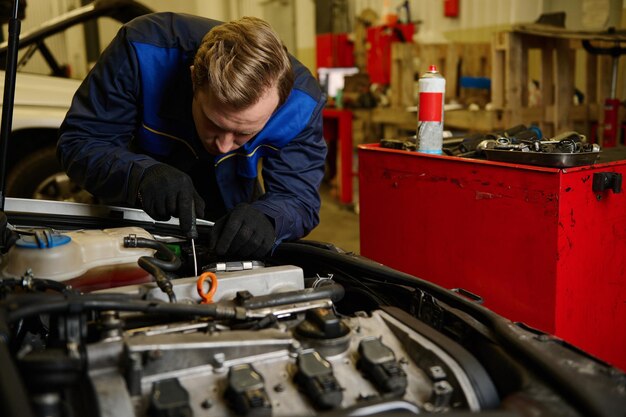
DIY vs. Professional Repairs: When to Leave It to the Pros
In today’s digital age, tutorials, how-to videos, and step-by-step guides make it tempting to tackle almost any repair yourself. From painting a room to replacing a leaky faucet, DIY projects can feel empowering, cost-effective, and even fun. For many homeowners, learning a new skill or completing a project on their own brings a sense of pride and accomplishment.
However, not every repair is suitable for a DIY approach. Some tasks are complex, potentially dangerous, or require specialized tools and training. Making the wrong decision can lead to wasted time, increased costs, and even safety hazards. Understanding the balance between what you can realistically handle yourself and when to call in a professional is key to protecting your home, your vehicle, and your peace of mind.
The Appeal of DIY Repairs
There’s no denying that DIY projects have their benefits. Many people enjoy the satisfaction of completing a repair or improvement on their own, and with the wealth of resources available online, it’s easier than ever to get started. Some key advantages include:
- Cost Savings: Hiring a professional can be expensive, particularly for minor repairs or routine maintenance. Taking on a project yourself can save you money on labor costs and allow you to budget for materials only.
- Learning Experience: Each DIY project is an opportunity to learn new skills. Over time, these experiences add up, creating a toolkit of knowledge that can make future repairs easier and less intimidating.
- Flexibility: DIY repairs allow you to work on your own schedule. You aren’t limited by an appointment or the availability of a professional, giving you freedom to tackle projects at your own pace.
Even in the automotive world, many drivers attempt small tasks on their own. Changing windshield wipers, topping up fluids, or even swapping out an air filter are all manageable for the average car owner with the right guidance.
When DIY Makes Sense
Some repairs are ideally suited for DIY enthusiasts. These are tasks that require basic tools, minimal technical expertise, and present low risk if mistakes are made. Examples include:
- Painting and Cosmetic Updates: Refreshing a room with paint, installing shelves, or replacing cabinet hardware are relatively low-risk projects that can dramatically improve your space.
- Furniture Assembly: With clear instructions and basic tools, assembling a bookshelf, table, or bed frame is a manageable project for most people.
- Minor Plumbing Tasks: Clearing clogged drains, replacing a showerhead, or tightening a leaking faucet can usually be accomplished with patience, some basic tools, and online tutorials.
Even in vehicle maintenance, there are simple DIY tasks such as checking tire pressure, replacing bulbs, or changing wiper blades that most car owners can handle safely. These small projects help you stay engaged with the upkeep of your home or car without risking damage.
Knowing Your Limits
While DIY can be rewarding, there are situations where professional expertise is necessary. Attempting projects that exceed your knowledge or skill level can result in more damage, higher repair costs, and even personal injury. Here are a few signs it’s time to call in a professional:
- Safety Concerns: If a repair involves electricity, gas lines, structural components, or heavy machinery, safety should always come first. Professionals are trained to handle these risks properly.
- Lack of Proper Tools or Knowledge: Some repairs require specialized tools or technical expertise that the average homeowner or driver simply does not have.
- Potential for Further Damage: If a small mistake could lead to a significant or costly problem, it’s often wiser to hire someone who knows exactly what they’re doing.
In the automotive context, trying to replace a brake line, repair a transmission, or fix complex suspension components without proper training is risky. Mistakes can compromise vehicle safety, resulting in dangerous situations on the road.
Professional Repairs: Why Expertise Matters
Certain repairs should always be left to certified professionals. Not only do they have the experience and training, but they also have access to specialized tools, industry-standard parts, and a deep understanding of safety regulations. Some examples include:
- Electrical Work: From home wiring to vehicle electrical systems, professional intervention ensures safety and compliance with codes. Attempting electrical repairs without training can lead to fires, shocks, or severe damage.
- Roof Repairs or Structural Work: Working on your roof or altering structural elements of your home requires specialized knowledge to prevent leaks, instability, or costly long-term issues.
- Major Plumbing or Vehicle Systems Repairs: Complex plumbing projects like sewer line repairs or vehicle repairs such as brake and suspension work demand professional expertise. Certified technicians can quickly diagnose problems and ensure lasting repairs.
At Higgins Driscoll’s Automotive, our Red Seal technicians are trained to handle complex vehicle repairs safely and efficiently. Whether it’s brakes, suspension, engine maintenance, or winterization services, we provide professional solutions that protect your vehicle and your peace of mind.
Striking the Right Balance
Finding the balance between DIY and professional work comes down to a realistic assessment of your skills, the tools available, and the potential risks. Here are some tips to help make the right decision:
- Research Thoroughly: Understand the full scope of any project before starting. Online tutorials and guides are helpful, but they cannot replace professional experience.
- Start Small: Build confidence and skills with manageable projects. Once you are comfortable, you can gradually take on more challenging tasks.
- Know When to Call for Help: Recognize when a project is beyond your ability. Calling in a professional early can prevent bigger problems and save time, money, and stress in the long run.
In vehicle maintenance, for example, simple oil changes and tire rotations can often be done safely at home. However, when it comes to brakes, suspension, or transmission issues, trusting trained professionals ensures your vehicle stays safe and reliable.
Take Action Today
DIY repairs are a great way to learn, save money, and feel accomplished, but there are times when professional expertise is not just helpful—it is essential. By understanding your limits and evaluating the complexity of each project, you can make informed decisions that protect your home, your vehicle, and your personal safety.
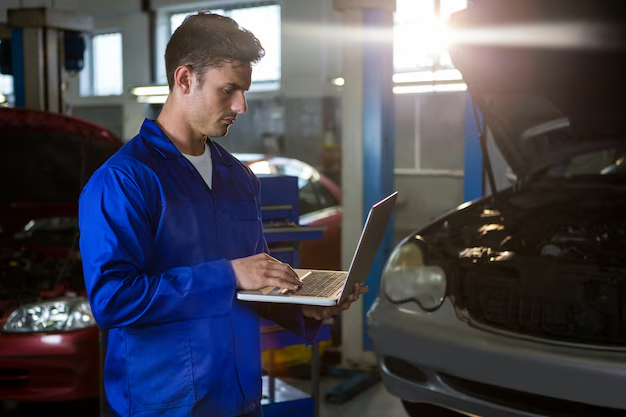
For drivers in Dartmouth and the surrounding Burnside area, Higgins Driscoll’s Automotive is your trusted choice for professional auto repairs and maintenance. Our Red Seal-certified technicians provide quality service, transparent advice, and a commitment to keeping your vehicle running smoothly year-round. From brake and suspension repairs to full winterization and routine maintenance, we have the expertise and equipment to get the job done right the first time.
Don’t risk costly mistakes or unsafe repairs. Schedule your appointment with Higgins Driscoll’s Automotive today and experience professional, reliable service you can count on for every mile of your journey.